

A Japanese Veterinarian’s Perspective After Listening to Pet Owners from Around the World
If you’re one of the many international pet owners in Japan raising a dog, cat, rabbit, or other beloved animal, you already know that pet care in Japan comes with a unique set of challenges. From navigating language barriers to finding an English-speaking veterinarian in Japan during a middle-of-the-night emergency, expat and foreign pet owners face obstacles that are rarely discussed openly.
Recently, I asked international pet owners living in Japan one simple question: what is your biggest concern about raising pets in Japan? The response was overwhelming. Pet owners shared heartfelt stories about emergencies, language barriers, end-of-life care, transportation, and much more.
As a veterinarian in Japan, I read every comment carefully. This article summarizes the most common concerns from the community and what I believe we can improve together.
1. Finding Emergency Veterinary Care
The most common concern was emergency vet care in Japan. Many pet owners described struggling to find a veterinarian during nights, weekends, or public holidays. Some were even turned away despite having genuine emergencies. When every minute matters, this can be frightening for both pets and their families.
2. Language Barriers
Even when clinics advertise English services, many owners still struggle to understand medical terminology, treatment plans, medication instructions, and costs. Clear communication is essential during stressful situations, and it’s one of the biggest reasons owners search specifically for an English-speaking veterinarian in Japan.
3. Feeling That Owners Are Not Being Heard
Many owners felt their observations were dismissed. Pet owners know their animals better than anyone else. When someone says “my cat is acting differently” or “my dog has never behaved like this before,” those observations deserve careful attention. The best veterinary care in Japan happens when veterinarians and owners work together as partners.
4. Palliative Care and End-of-Life Support
Many comments came from owners of elderly pets. Common concerns included pain management, hospice care, euthanasia, quality of life, and grief support. End-of-life care is not only about medicine — it is also about compassion, for both animals and the people who love them.
5. Home Visit Veterinarians
Many cat owners explained that visiting a clinic itself causes severe stress, especially for senior cats, FIV-positive cats, and anxious cats. More home veterinary services could greatly improve their quality of life.
6. Transportation Challenges
Without a private car, getting to a veterinary clinic in Japan can be difficult. Owners mentioned expensive pet taxis, limited transportation options for large dogs, and crowded trains during summer heat. Transportation itself becomes a barrier to medical care — a challenge many people don’t anticipate before moving to Japan with pets.
7. Preventive Care
Several owners wanted more preventive medicine, including routine screening, senior wellness exams, and earlier diagnosis. Many believe preventing disease is just as important as treating it.
8. Finding Veterinarians for Rabbits and Exotic Pets
Owners of rabbits, guinea pigs, tortoises, and other small animals often struggle to find experienced veterinarians. Specialized veterinary care remains limited in many areas of Japan.
9. Understanding Costs and Pet Insurance
Many international owners found it difficult to understand treatment estimates, insurance coverage, medical costs, and diagnostic recommendations. Clear explanations help owners make informed decisions for their pets.
10. Emotional Support for Pet Owners
One topic touched me deeply. Many owners shared fears about their pets growing old, losing their companions, and not being able to stay with them 24 hours a day. Supporting pets also means supporting the people who love them.
Veterinary Medicine in Japan Is Changing
Communication challenges are not limited to international pet owners — they have also existed between Japanese veterinarians and Japanese pet owners. Over the past decade, communication skills have become a more important part of veterinary education in Japan, and younger veterinarians are increasingly encouraged to listen carefully to owners and involve them in treatment decisions.
However, after reading all of these comments, I strongly feel that communication in English remains an important area for improvement. Better multilingual resources, translation support, clearer explanations, and improved emergency guidance would help many international families raising pets in Japan.
Final Thoughts
One thing became very clear while reading these stories: most people are not simply looking for better medicine. They are looking for someone who listens, someone who explains, someone who works together with them, and someone who supports both the pet and the family.
As a veterinarian, these experiences have taught me a great deal. Thank you to everyone who shared your stories with such honesty. I hope that by listening to each other, we can continue improving pet care in Japan for animals and their families alike.
About the Author
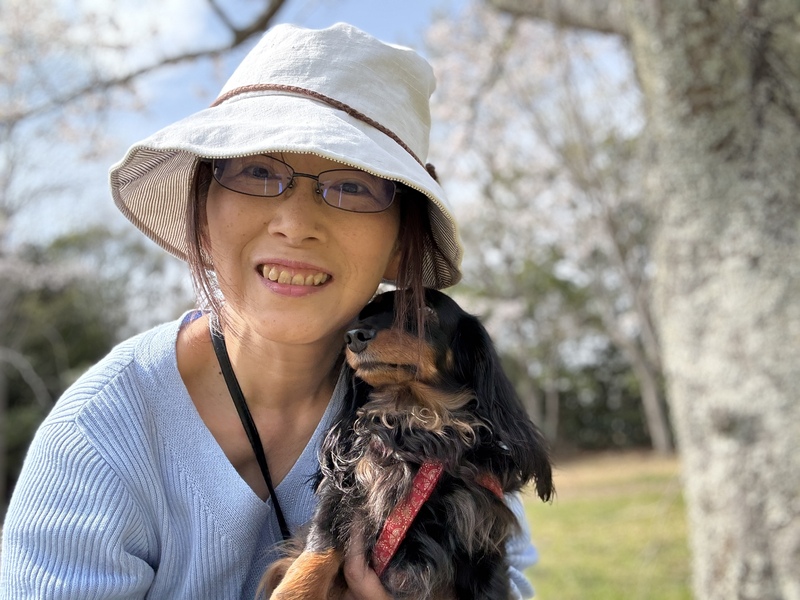
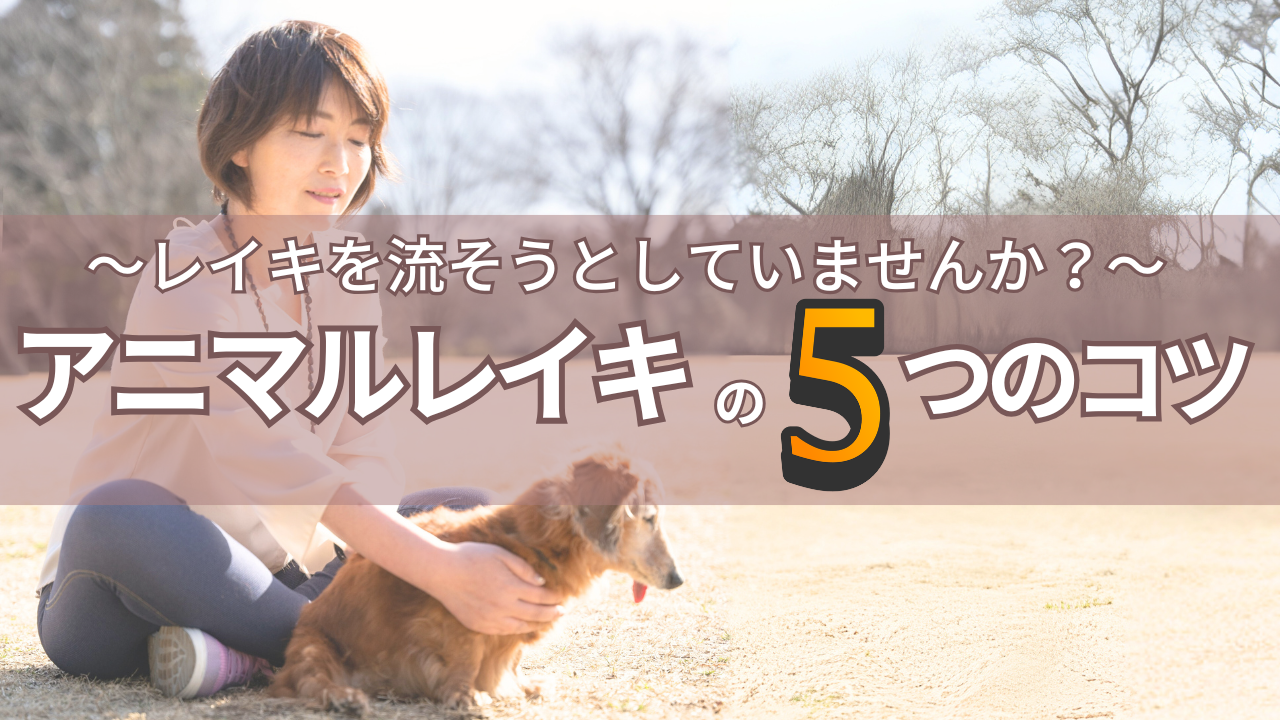
I am Dr. Rie Fukui, a Japanese veterinarian and founder of the Animal Reiki Association of Japan. For over 20 years, I have been helping families improve the quality of life of their animals through veterinary knowledge, compassionate communication, and home care. I believe veterinary medicine and gentle home support can work together to help animals live happier, healthier lives.




Comments